
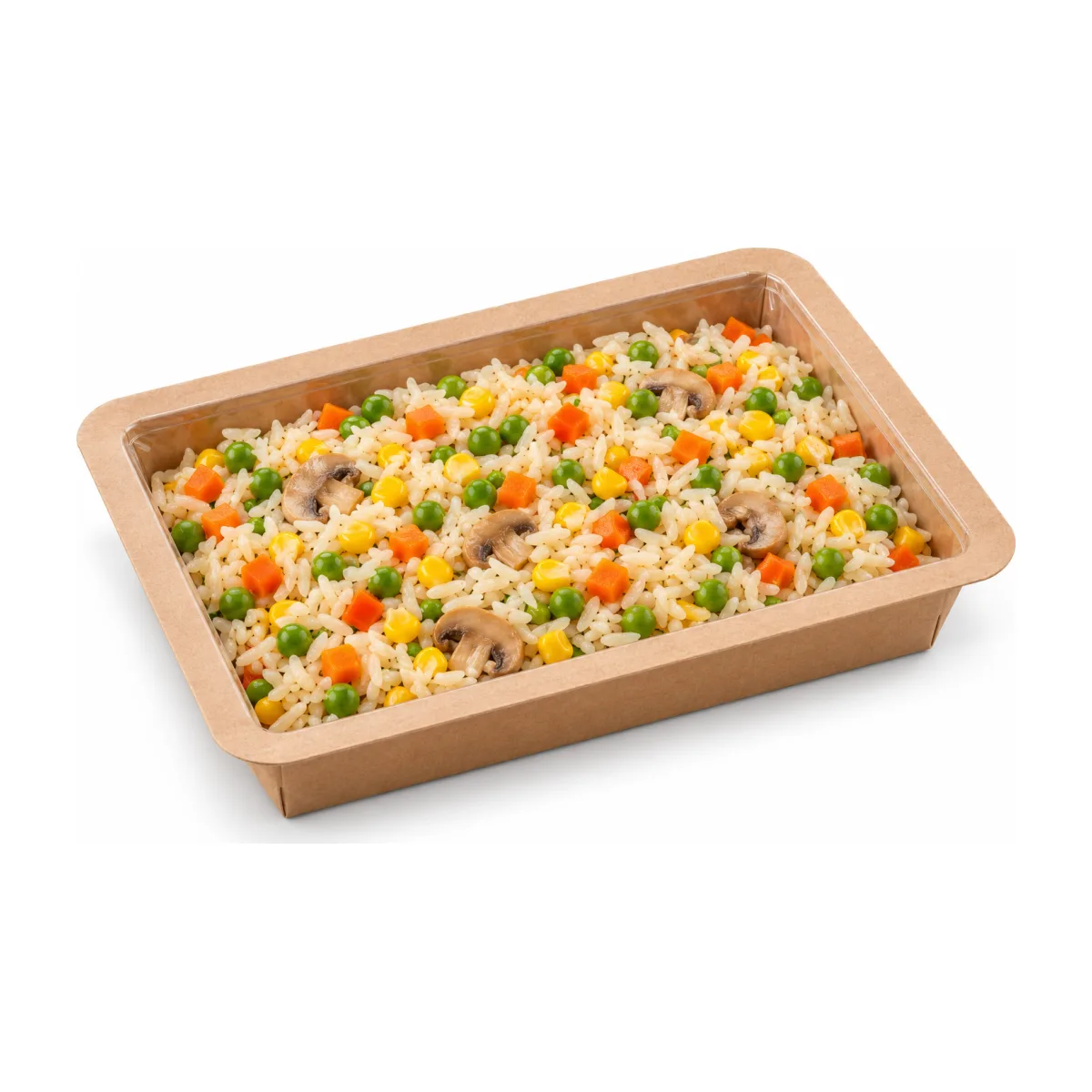
Sealable paper trays and plastic trays
Sealable paper tray, also suitable for modified atmosphere packaging, with a separable paper outer layer and plastic inner layer for sorted waste collection
Full description
The sealable paper tray combines the outer appearance of paper with the packaging function of a plastic inner layer. The outer paper structure gives the tray its rigidity, while the thin inner plastic layer provides the food-contact surface and the seal that can be formed with a suitable lidding film. This packaging is worth choosing if the product needs a rigid tray that can be sealed with film, and the design of material use is also part of the development criteria.
Paper and plastic, each with its own job
The two materials play different roles in the tray. The paper determines the outer structure and the overall impression, while the plastic liner contributes to protecting the product. The design makes it possible to plan packaging with reduced plastic use, but the extent of the saving must always be tied to the specific version and to the tray used as the basis for comparison. When assessing the finished pack, the lidding film and other accessories must also be taken into account.
Sealable packaging for a range of products
We offer the sealable tray made from a combination of paper and plastic for fresh meat, sausages, ready meals, salads and fruit. The application determines which inner layer, lidding film and sealing method are needed. For vacuum or modified atmosphere packaging, the gas barrier of the entire system must be chosen. For microwave heating or frozen products, we likewise choose the packaging based on the verified conditions of use of the given version.
Tray and lidding film work together
The lidding film must match the sealable surface of the tray. The choice depends on whether the consumer needs an easy-peel seal and what protection the product requires during storage. The tool of the tray sealer must match the outer dimensions and flange of the pack. In a trial seal, besides tightness, it is advisable to check the opening method, how easily the flange can be kept clean and how the filled tray behaves during transport.
Separable components
One key feature of the design is that after use the paper and plastic parts can be separated from each other. This makes separate collection of the materials possible, provided that the local waste management system and the condition of the components allow it. Guidance for consumers should be short and clear: how to separate the parts and where each component should go. A paper surface does not in itself mean compostability or recycling guaranteed everywhere.
To choose a sealable paper tray, we need to know the product to be filled, the portion size and the packaging process. It is also worth stating in advance how the food will be stored, transported and used. At Kollár Pakk we start from these when matching the tray and lidding film, so that the intended appearance is paired with a working packaging solution.
Related products
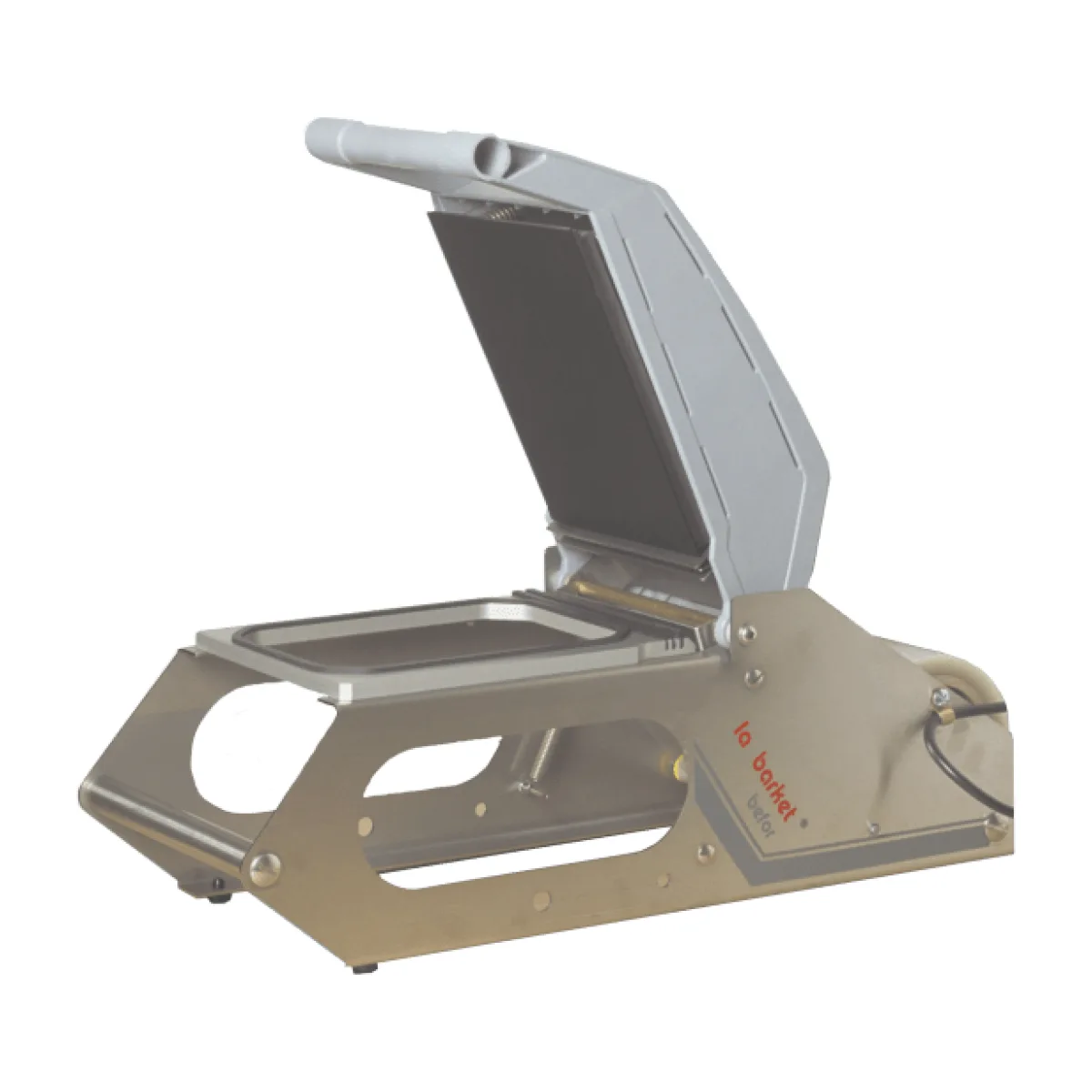 BP 30 tray sealer490 855–506 095 Ft→
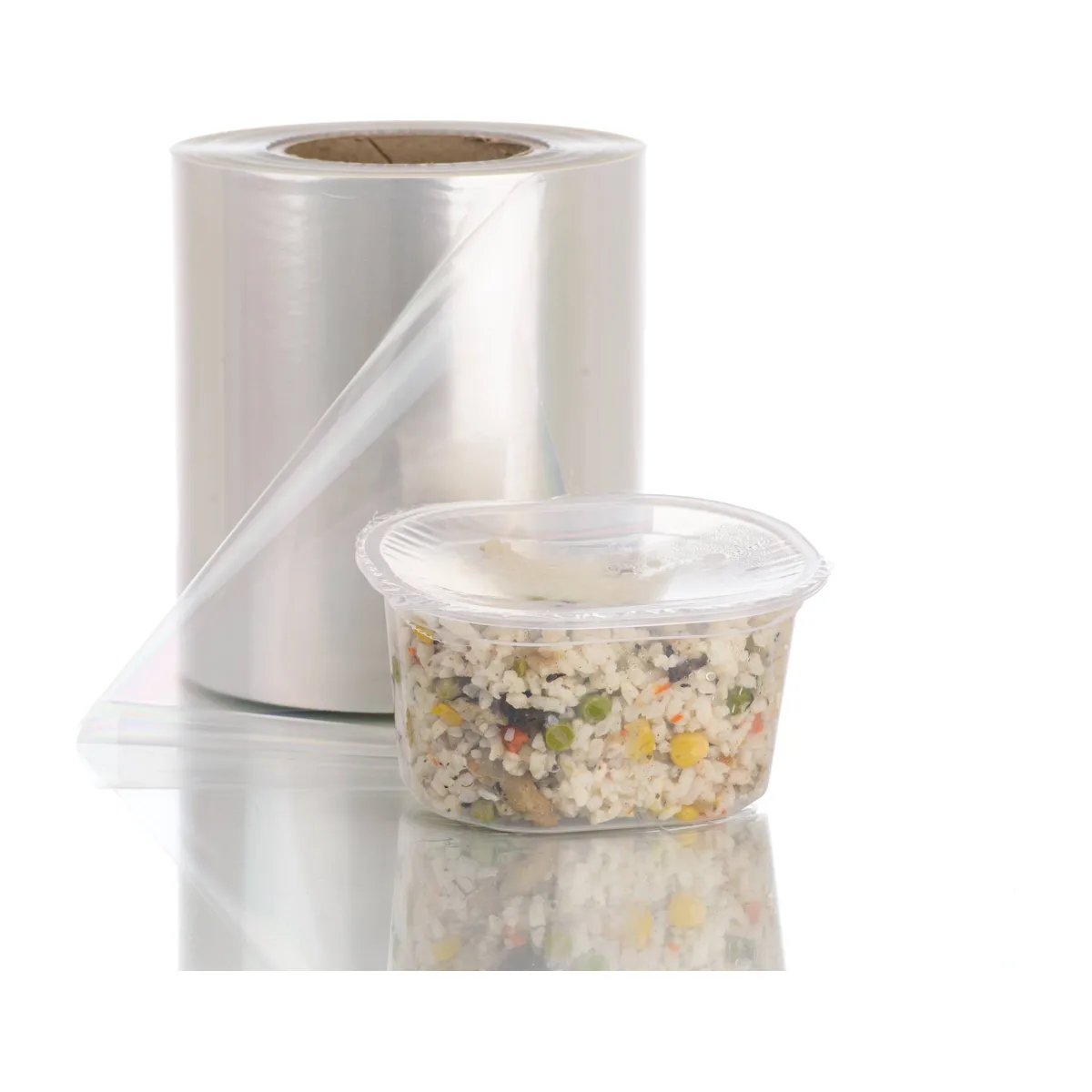 Universal peelable lidding film for sealable trays13 621–22 320 Ft→